
Camera-and-radar driver assistance is aligned at the factory to within fractions of a degree. A windscreen replacement, a bumper repair or a wheel alignment can move it out of tolerance, and the system may keep working while seeing the road slightly wrong. For importers, that turns ordinary repairs into jobs that need specific equipment, and it changes what you can promise customers about the car's safety systems.
How the systems see
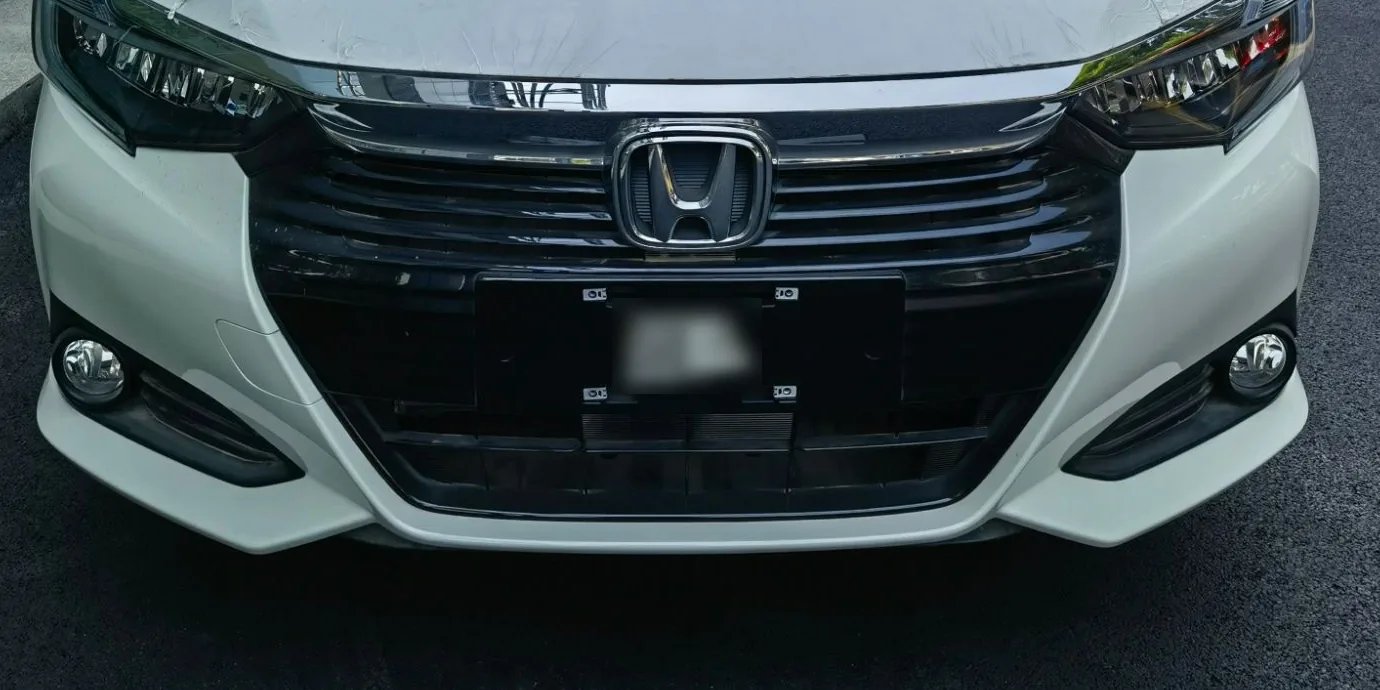
A typical system combines a forward-facing camera at the top of the windscreen with a radar sensor at the front of the car. The camera reads lane markings, signs and vehicle shapes; the radar measures distance and closing speed in any light. Software fuses the two to run collision warning and emergency braking, adaptive cruise control and lane keeping. On the Flagship version of the Honda Crider 180 Turbo, for example, Honda SENSING uses a camera on the windscreen and a radar sensor low in the front bumper, and the LaneWatch camera under the passenger-side mirror shows the blind spot on the centre screen.
Because the system works out where things are from the sensor's position and angle, a sensor that has moved reports objects in the wrong place. A camera aimed one degree off is looking about 1.7 metres to the side at 100 metres ahead, roughly half a lane.
What disturbs calibration
| Work or event | Sensor affected | Why |
|---|---|---|
| Windscreen replacement | Camera | The camera bracket is bonded to the glass; new glass means a new camera position |
| Chip repair or tint in the camera's field of view | Camera | Optical distortion in front of the lens |
| Front bumper removal, repair or repaint over the radar | Radar | Bracket position changes; extra paint layers or filler in front of the radar can weaken its signal |
| Even a minor front impact | Radar | Brackets bend before anything else does |
| Wheel alignment or suspension work | Both | The sensors aim relative to the car's direction of travel, which alignment changes |
| Ride height changes, heavy permanent loads, different tyre sizes | Both | The sensors' angle to the road changes |
| Accessories in front of the sensors: grille guards, number plate frames, dash cameras, stickers | Either | Blocked or reflected field of view |
| Mirror housing replacement on cars with a mirror camera | Side camera | The camera moves with the housing |
How recalibration is done
Manufacturers specify one or both of two methods, and the repair information says which applies to which job:
- Static calibration in the workshop: the car on a level floor, targets placed at specified distances and heights, controlled lighting, and a diagnostic tool that runs the aiming routine.
- Dynamic calibration on the road: the tool starts the routine and the car is driven at specified speeds on roads with clear markings until the system reports completion.
Either way the job needs a diagnostic tool with coverage for the exact model, the correct targets and a record of the result. A calibration that was not documented is, for liability purposes, a calibration that did not happen.
What changes abroad
- Signs. Traffic sign recognition is trained for the market the car was built for. Signs of a different design may be missed or misread.
- Lane markings. Lane keeping needs clear, continuous markings. Faded, missing or temporary markings reduce it to intermittent operation.
- Dust, mud and insects. A radar covered in dried mud or a camera behind a dusty windscreen switches the system off with a message. Cleaning the sensor areas is part of routine care in dusty markets.
- Low sun and heavy rain. Cameras are blinded the way people are; radars see through rain but not through a layer of dirt.
None of this makes the systems unsafe, but it does make over-promising unsafe. Explain at handover what the systems do and when they step back. The other ways a China-market car behaves differently abroad are covered in China-market cars abroad.
After shipping and before delivery
- Remove transport film and any covers from the windscreen camera area and the front bumper.
- Check the front end for lashing damage; a knock to the bumper during loading can move a radar bracket.
- Start the car and confirm that no driver-assist warnings are shown.
- Scan the driver-assist modules for stored faults.
- On the test drive, confirm adaptive cruise detects the vehicle ahead and lane keeping engages on a well-marked road.
Workshop readiness checklist
- A diagnostic tool with calibration functions for the models you sell, confirmed by VIN
- The calibration targets and a level, clear floor area of the size the procedure requires
- Wheel alignment equipment, since alignment comes before sensor calibration
- A windscreen supplier who can provide glass with the correct camera bracket and optical quality
- Body shop rules for repairs and paint over radar areas
- A calibration report handed to the customer with the car
Structural repair and driver assistance are connected: a car with an undisclosed front-end repair is also a car whose radar may be misaligned, which is one more reason for the checks in accident-repaired cars. Parts and tooling for the Crider specifically are covered in servicing a Crider outside China, and training in technician training and diagnostic tooling.
Honda, Crider and Honda SENSING are trademarks of Honda Motor Co., Ltd. CZJ Motors is an independent vehicle exporter and is not affiliated with, authorised by or endorsed by Honda Motor Co., Ltd. or GAC Honda Automobile Co., Ltd. The names are used only to identify the genuine vehicles we supply and describe.