
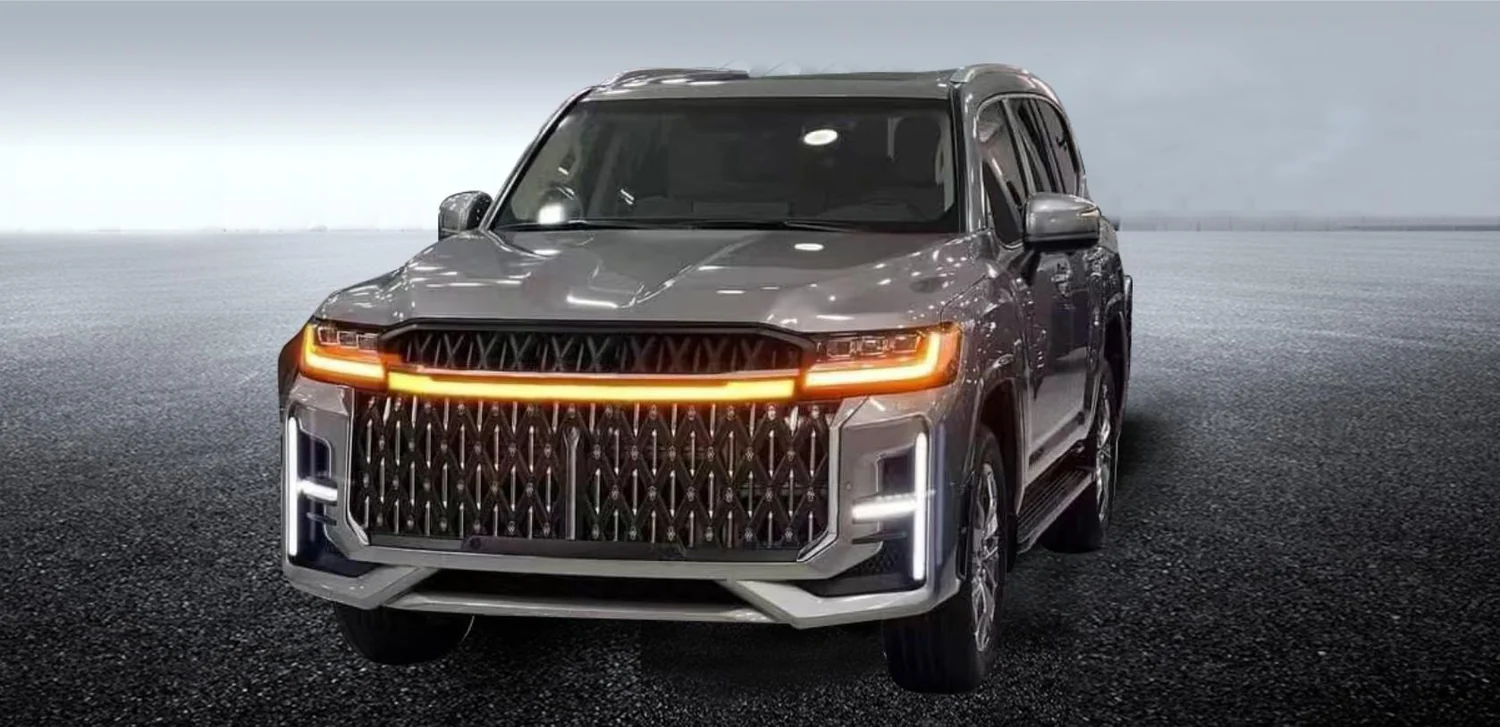
Ce guide s’adresse aux concessionnaires, distributeurs, exploitants de flottes et équipes d’approvisionnement qui importent des véhicules neufs de Chine vers les Émirats arabes unis. Il couvre le régime de conformité, l’itinéraire maritime, la structure du coût rendu et les segments qui se vendent réellement, plutôt que de répéter des conseils génériques.
Remarque sur l’exactitude : les taux de droits, prélèvements et programmes de conformité évoluent. Les faits structurels ci-dessous restent stables, mais confirmez les taux et procédures en vigueur auprès de votre courtier en douane avant de signer un contrat.
1. Aperçu de l’importation : les Émirats arabes unis
| Côté de conduite | Conduite à gauche. |
|---|---|
| Principaux ports d’entrée | Jebel Ali (Dubaï), port Khalifa (Abou Dabi), Charjah |
| Transit depuis la Chine | Environ 18-25 jours depuis les principaux ports chinois jusqu’à Jebel Ali, l’un des itinéraires les plus courts depuis la Chine |
| Régime de conformité | Conformité ECAS / EQM administrée par l’autorité émirienne de normalisation, alignée sur les normes du CCG |
| Région | Moyen-Orient |
2. Pourquoi importer des véhicules de Chine vers les Émirats arabes unis
- Jebel Ali est la plateforme de réexportation de la région, ce qui permet aux importateurs de desservir l’Afrique, la CEI et l’ensemble du Moyen-Orient depuis un seul stock
- Transit court depuis la Chine par rapport à presque toute autre destination
- Les dispositifs de zones franches permettent de stocker et de réexporter les véhicules sans supporter l’intégralité des droits
- La demande de renouvellement des flottes dans la logistique, l’hôtellerie et la construction est continue
3. Ce qui se vend aux Émirats arabes unis
La demande aux Émirats arabes unis se concentre sur les segments suivants. Chacun renvoie à la partie correspondante de notre catalogue, où chaque modèle comporte un véritable tableau de spécifications plutôt qu’une photo et un numéro de téléphone.
- SUV et berlines haut de gamme pour la vente au détail et la réexportation
- Minibus et fourgonnettes pour l’hôtellerie et le transport du personnel
- Camions légers et moyens pour la logistique et la livraison du dernier kilomètre
- Pick-up pour la construction et la gestion des installations
- Véhicules spéciaux et de sécurité
Parcourir par segment : Véhicules particuliers, SUV et pick-up, Camions commerciaux, Fourgonnettes et monospaces, Autobus et autocars, Véhicules spéciaux.
4. Conformité à confirmer avant la production
Conformité ECAS / EQM administrée par l’autorité émirienne de normalisation, alignée sur les normes du CCG. Les véhicules doivent disposer d’un certificat de conformité conforme aux spécifications du CCG. La spécification du CCG n’est pas une formalité : elle couvre la capacité de refroidissement, le liquide de refroidissement et les spécifications de la batterie pour une température ambiante élevée prolongée, et les véhicules construits selon une spécification générale d’exportation peuvent ne pas la respecter.
Côté de conduite. Conduite à gauche. Confirmez-le par écrit dans l’annexe des spécifications, car cela modifie la ligne de production sur laquelle le véhicule est construit et ne peut pas être corrigé ultérieurement.
La séquence qui évite les problèmes est toujours la même : figer les spécifications, obtenir la documentation de conformité correspondant à ces spécifications figées, puis réserver le créneau de production. Les homologations délivrées sur la base d’une spécification qui change ensuite ne valent rien, et la modification est généralement un détail que personne n’a pensé à signaler, comme une taille de pneu ou un bloc d’éclairage différent.
5. Le processus d’importation étape par étape
- Fiche de spécifications. Côté de conduite, groupe motopropulseur, capacité de batterie pour les modèles électriques, nombre de places, couleur, pneus, climatisation et niveau d’équipement, consignés par écrit et signés.
- Vérification de conformité. Confirmer l’exigence de conformité ECAS / EQM administrée par l’autorité émirienne de normalisation, alignée sur les normes du CCG, ainsi que tout permis d’importation à détenir avant le départ du navire.
- Contrat. Quantité, prix unitaire, Incoterm, conditions de paiement et délai de livraison, avec la fiche de spécifications jointe en annexe.
- Production et rapports. Numéros de châssis et photos de production, avec un point de contrôle avant l’assemblage final afin de détecter les erreurs de configuration lorsqu’elles sont encore peu coûteuses à corriger.
- Inspection avant livraison. Chaque unité est inspectée et photographiée. Pour les modèles électriques, l’état de charge de la batterie est enregistré conformément à la limite de la compagnie maritime.
- Inspection de conformité avant expédition. Réalisée en Chine dans le cadre du programme de conformité ECAS / EQM administré par l’autorité émirienne de normalisation, aligné sur les normes du CCG. Cette inspection ne peut pas être effectuée après l’arrivée.
- Expédition. Chargement et départ vers Jebel Ali (Dubaï), le port Khalifa (Abou Dabi) ou Charjah.
- Dédouanement et immatriculation. Droits et taxes acquittés, inspection effectuée si nécessaire, plaques délivrées.
6. Itinéraire maritime et délai de transit
Itinéraire. Jebel Ali (Dubaï), port Khalifa (Abou Dabi), Charjah
Transit. Environ 18-25 jours depuis les principaux ports chinois jusqu’à Jebel Ali, l’un des itinéraires les plus courts depuis la Chine
Mode. Le transport roulier est normalement moins cher par unité à volume élevé et constitue en pratique la seule option pour les autobus et les véhicules commerciaux lourds. Le transport par conteneur dessert davantage de ports, protège le véhicule contre les intempéries et la manutention, et permet d’expédier les accessoires et pièces détachées avec l’unité. Nous proposons les deux solutions lorsque les deux sont disponibles sur l’itinéraire. Comparaison complète : transport roulier ou par conteneur.
7. Composition du coût rendu
Comparer les prix des véhicules entre exportateurs n’est pas la bonne méthode. Ce qui détermine votre marge, c’est le coût rendu. Aux Émirats arabes unis, il comprend :
- Droits de douane sur la valeur CIF au taux commun du CCG
- TVA lorsqu’elle s’applique à la transaction
- Frais portuaires et de manutention au terminal de Jebel Ali
- Stockage en zone franche si les véhicules sont conservés pour réexportation
- Frais d’immatriculation et de contrôle pour les unités restant dans le pays
Nous ne publions volontairement pas de pourcentages de droits, car ils évoluent et un chiffre obsolète sur un site est pire que l’absence de chiffre. Demandez à votre courtier en douane les taux actuels correspondant au code SH et au groupe motopropulseur concernés, et établissez la comparaison sur le total plutôt que sur la valeur de la facture.
8. Véhicules électriques aux Émirats arabes unis
L’infrastructure de recharge à Dubaï et à Abou Dabi est suffisamment développée pour les flottes électriques à batterie, mais la chaleur estivale persistante fait de la gestion thermique de la batterie un véritable élément de spécification plutôt qu’un argument marketing. Spécifiez un refroidissement de niveau CCG pour l’habitacle et la batterie.
La règle de décision que nous appliquons avec les acheteurs consiste à adapter le groupe motopropulseur au cycle d’utilisation et aux réalités de recharge, et non à la valeur d’autonomie la plus élevée de la brochure. Pour en savoir plus : électrique à batterie ou prolongateur d’autonomie.
9. Erreurs courantes des importateurs des Émirats arabes unis
- Commander une spécification générale d’exportation au lieu d’une spécification CCG, puis échouer à la conformité en raison du refroidissement
- Sous-dimensionner la capacité de climatisation pour les conditions d’utilisation estivales
- Conserver un stock en zone franche sans plan clair de réexportation, ce qui transforme le stockage en coût récurrent
- Supposer qu’un certificat accepté dans un État du CCG satisfait automatiquement aux exigences d’un autre
10. Comment vérifier un exportateur avant de payer
- Demandez la licence d’exportation et l’immatriculation de l’entreprise, puis vérifiez que le nom qui y figure correspond au compte bancaire sur lequel le paiement est demandé.
- Demandez sur quelle fiche de spécifications le devis est fondé. Un exportateur qui établit un devis avant la définition des spécifications propose un véhicule qui n’existe pas encore.
- Demandez directement s’il a déjà expédié des véhicules vers les Émirats arabes unis et quelle procédure de conformité ECAS / EQM, administrée par l’autorité émirienne de normalisation et alignée sur les normes du CCG, a été appliquée. La réponse indique rapidement s’il connaît l’itinéraire.
- Demandez ce que comprend l’inspection avant livraison et si vous recevez un rapport photographique avant le chargement.
- Demandez ce qui se passe si une unité arrive endommagée et obtenez la réponse par écrit avant de verser l’acompte.
- Posez des questions sur les pièces. Un exportateur qui n’a aucune réponse concernant les pièces détachées est un exportateur dont vous n’aurez plus de nouvelles après la livraison.
11. Questions fréquemment posées
Qu’est-ce que la spécification CCG et pourquoi est-elle importante ?
Il s’agit de la norme régionale couvrant notamment le refroidissement et la protection thermique pour les températures ambiantes élevées. Un véhicule construit selon une spécification générale d’exportation peut ne pas la respecter, ce qui affecte à la fois la conformité et la fiabilité réelle en été.
Combien de temps dure le transport de la Chine à Jebel Ali ?
Environ 18 à 25 jours, l’un des itinéraires les plus courts depuis la Chine, ce qui explique en partie pourquoi Jebel Ali fonctionne si bien comme point de stockage régional.
Puis-je réexporter des véhicules des Émirats arabes unis vers l’Afrique ?
Oui, et nombre de nos clients des Émirats arabes unis le font précisément. Nous pouvons préparer une documentation facilitant la réexportation ultérieure plutôt que l’importation finale uniquement.
Fournissez-vous des véhicules à conduite à droite depuis le stock des Émirats arabes unis ?
Les Émirats arabes unis sont eux-mêmes en conduite à gauche, mais nous pouvons fournir des unités à conduite à droite destinées à la réexportation vers l’Afrique de l’Est. Confirmez la destination finale lors de la commande afin que la position de conduite soit correcte.
12. Autres marchés couverts
- Importer des véhicules de Chine vers l’Arabie saoudite — Moyen-Orient
- Importer des véhicules de Chine vers le Pérou — Amérique du Sud
- Importer des véhicules de Chine vers le Kazakhstan — Asie centrale
Si vous importez aux Émirats arabes unis, envoyez-nous le segment dont vous avez besoin, la quantité et votre mois d’arrivée cible. Nous vous répondrons avec une fiche de spécifications, la liste des documents de conformité ECAS / EQM administrée par l’autorité émirienne de normalisation, alignée sur les normes du CCG, pour votre envoi, ainsi qu’une tarification pour les deux modes de transport.