
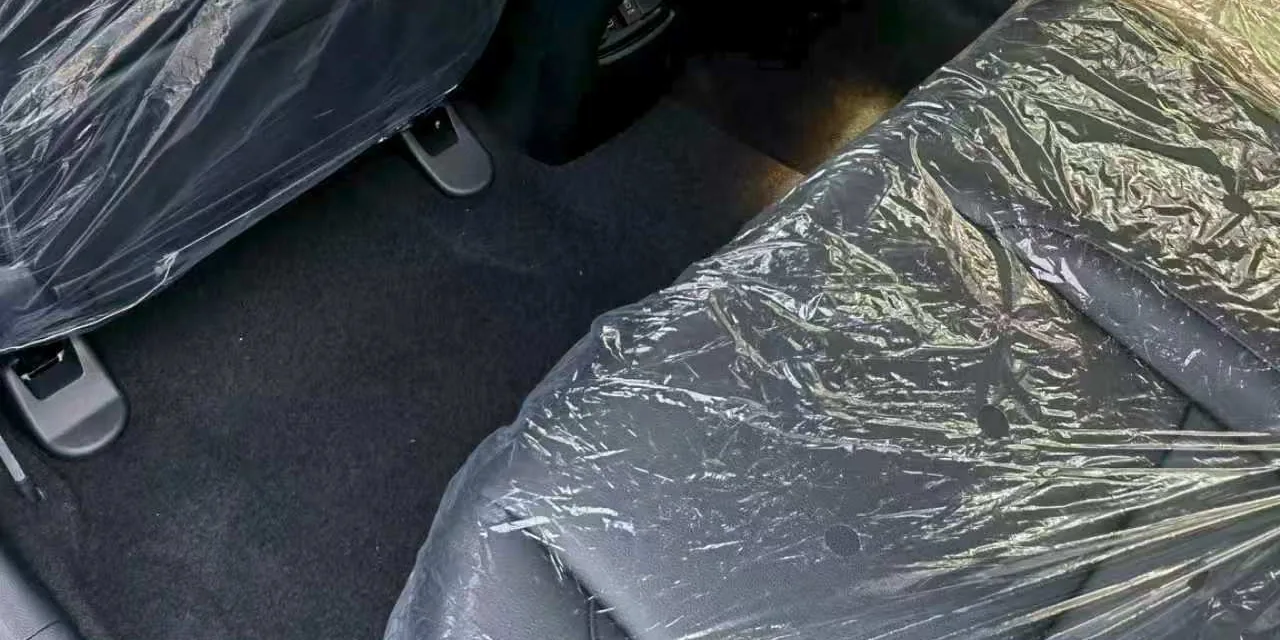
Every large flood leaves thousands of water-damaged vehicles behind. Some are written off and scrapped; many are dried, cleaned and sold again, and some cross borders precisely because their history does not follow them. A flood car can look immaculate. The evidence is in places a quick look does not reach, and the most important question is not whether the car got wet but how high the water rose.
Why flood cars travel
In many markets an insurer that writes off a flooded car records it, and the vehicle's title or registration carries that history. Exported to another country, the car arrives with fresh paperwork and no mark against it. Used-vehicle export channels are therefore a natural outlet for flood stock, and buyers at the far end rarely have access to the records of the country of origin.
New cars are not immune. Dealer lots and storage yards flood too. Manufacturers generally withdraw flood-exposed new vehicles from sale, but stock that sat in water can still reach the market, especially through intermediaries. The checks below apply to new stock as much as to used cars.
How high the water rose decides the verdict
| Water level | What it reaches | Typical outcome |
|---|---|---|
| Below the door sills | Wheel bearings, brakes, exhaust, underbody connectors | Usually recoverable: bearings, brake components and connectors need inspection |
| Floor and carpet level | Carpet and underlay, sound insulation, wiring looms and modules under the floor or seats, seat motors | Serious: carpet out, full drying, connector inspection; mould and corrosion risk for years |
| Seat cushion to lower dashboard | Airbag and seat electronics, body control modules, fuse and relay boxes, pedal assemblies | Severe: electrical faults may appear months later; many insurers write these off |
| Above the dashboard or into the engine air intake | Instrument cluster, head unit, every module; water drawn into the engine can bend connecting rods | Generally a total loss |
A car whose history says "minor water ingress" but shows evidence at seat level is a severe case with an optimistic description.
Where water leaves evidence
Smell and fabrics
- A musty, damp smell, or a heavy perfume used to mask it. Close the car in the sun for an hour and smell it again.
- Tide marks on door cards, seat fabric or the headlining edges.
- New carpet or seat covers in a car that is otherwise several years old.
Silt and corrosion in hidden places
- Lift the boot floor: silt, water marks or rust in the spare wheel well are among the most reliable signs.
- Look under the seats at the seat rails and runners: fine silt collects there and bare steel rusts quickly.
- Pull each seat belt out to its full length. The last section of webbing, normally rolled inside the retractor, should be clean; a water line, silt or mildew there is hard to fake away.
- Look under the dashboard with a torch at unpainted bolts, the pedal box and the backs of connectors. New-looking rust on fasteners in a dry-climate car is a warning.
- Check fuse and relay boxes for green or white corrosion on terminals.
Lamps, glass and speakers
- Condensation, a water line or dried residue inside headlamps, tail lamps or the instrument cluster.
- Door speakers with warped or stained cones.
Engine and drivetrain
- Debris or tide marks in the air filter housing; a new air filter in an otherwise unserviced car.
- Milky engine oil or transmission fluid, which means water got in.
- Silt packed in suspension components, brake backing plates and the underside of the engine bay.
The electrical test
Water damage often shows up first as electrical behaviour, and sometimes only after weeks, as corrosion develops inside connectors.
- Scan every module, not only the engine. Communication fault codes between modules, and modules that do not respond at all, are typical after water damage.
- Operate every electrical function: windows, locks, mirrors, seat adjustment and heating, all lights, wipers, horn, every blower speed, the head unit, cameras and charging sockets.
- Watch for intermittent faults: a warning lamp that comes and goes, a window that works on the second try.
- Check that the airbag warning lamp lights at start and then goes out. Airbag system components often sit low in the cabin.
Drying out is not repairing
Sellers of flood cars often describe them as "professionally restored". A proper restoration after water reached the cabin is a large job, and it is worth knowing what it involves before accepting the description:
- Seats, carpet, underlay and sound insulation removed, the floor cleaned of silt and dried completely, and the insulation replaced rather than dried and refitted.
- Every connector that was under water opened, cleaned and inspected; wiring with corrosion inside the insulation replaced.
- Airbag system components that were submerged replaced, not dried: manufacturers' repair information generally treats water-exposed restraint parts as non-reusable.
- Engine, transmission and axle oils changed, and the engine checked for water ingestion before it is started.
- Wheel bearings, brake components and the starter motor inspected for water and silt.
A car with fresh carpet, a new scent and a stack of receipts only for cleaning has been dried, not restored. Ask for the parts invoices; they show what was actually replaced.
Paperwork
Ask for the vehicle's insurance claim and maintenance history where the country of origin makes it available, and check the VIN against it; the VIN guide explains how to confirm the identity first. A seller who refuses a written declaration that the vehicle has not been flood-damaged is telling you something.
If you are buying at a distance
- Commission an independent inspection at origin with the specific checks above in the brief, and ask for photographs of the spare wheel well, seat rails and the fully extended seat belts.
- Put a clause in the contract warranting that the vehicle has no flood, fire or structural damage, with a right to reject and a refund if an inspection on arrival finds otherwise.
- Keep the origin photographs: they are also the basis of any transit claim, as set out in marine insurance and transit damage claims, and of the arrival check in pre-delivery inspection.
For new stock, the same inspection extends to build month, tyres and battery, covered in buying a new car that has been in stock.