
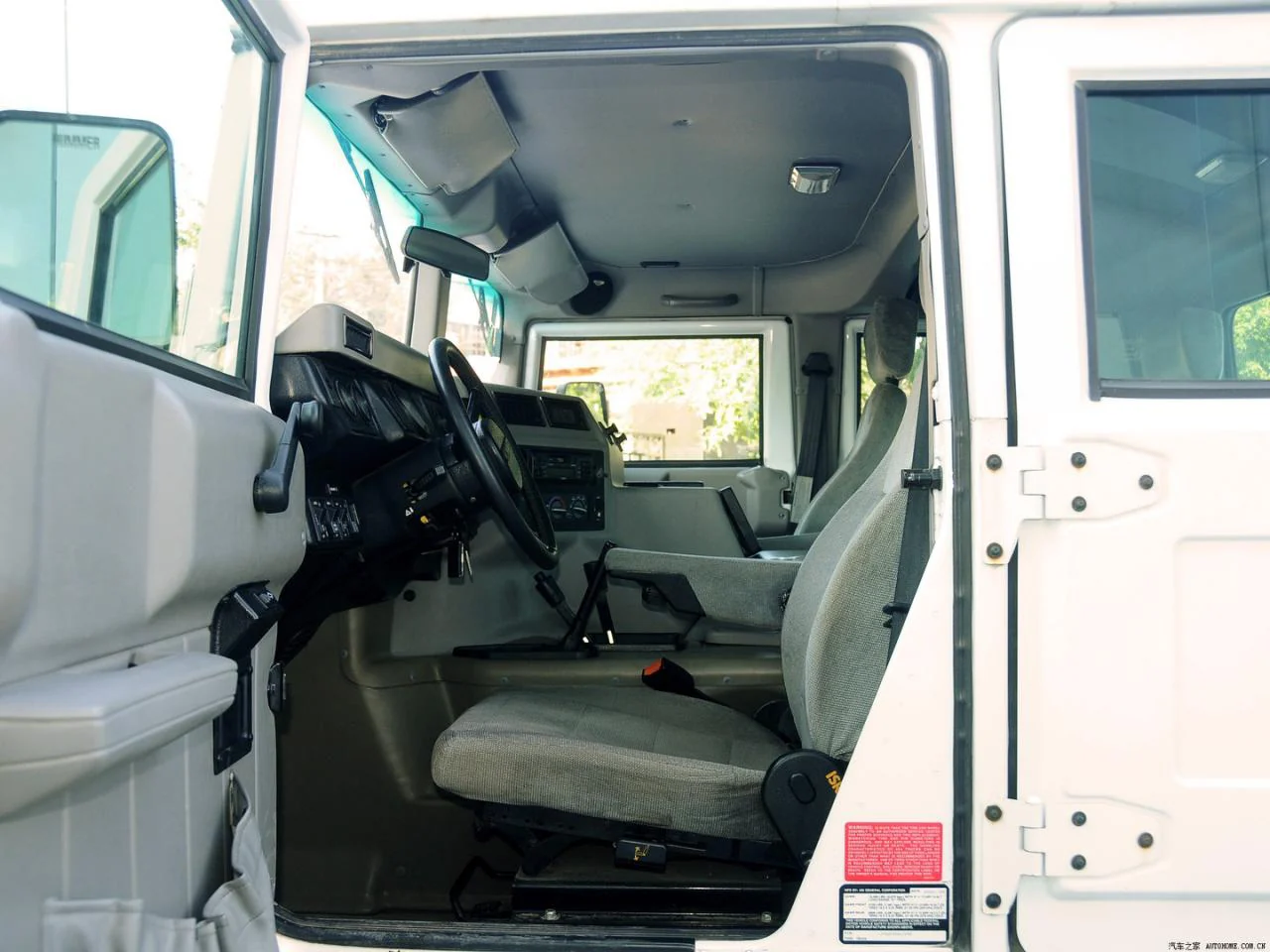
Two inspections matter and they check different things. The one at origin verifies the vehicle is what was ordered; the one at arrival verifies it survived the journey. Running the same checklist twice wastes both.
At origin: verifying the specification
This is the inspection where finding a problem is cheap, because the vehicle has not yet been shipped. What it should cover:
- Chassis and engine numbers against the order list, photographed. Everything downstream depends on this.
- Specification against the order — engine, transmission, drive side, trim, colour, wheel and tyre size, seating configuration. Each item confirmed physically, not from the build sheet.
- Optional equipment present and functioning. Air conditioning, audio, safety systems, any market-specific fitment.
- Documentation pack present in the vehicle — manual, service book, keys, and a count of the keys.
- Cosmetic condition photographed comprehensively, all four sides plus roof and interior. This set of photographs is what a transit damage claim is later argued from.
- Functional check — engine starts, no warning lamps, all lights and wipers work, doors and windows operate.
- Fluid levels and tyre pressures recorded.
The photographic record is the item most often skimped and most often needed. Without a dated set of origin photographs, any damage found at arrival becomes an argument rather than a claim.
At arrival: identifying transit damage
Different emphasis. The specification was verified at origin; what matters now is what changed.
- Compare against the origin photographs systematically rather than looking for damage in general. Differences are what you are looking for.
- Check the lashing points — vehicles are secured for sea transport, and over-tightened straps damage suspension components and bodywork at the anchor points.
- Look for salt and moisture ingress, particularly in vehicles shipped RoRo where exposure is greater. Check inside doors, in the boot, and at any body seam.
- Check the battery. Vehicles sit for weeks with parasitic drain, and a flat or damaged battery on arrival is normal rather than a defect. Planning for battery charging or replacement at arrival avoids treating it as a fault.
- Check for flat-spotted tyres after long stationary periods, which usually resolves after driving but alarms customers who do not expect it.
- Fluid leaks under the vehicle after it has stood.
Damage found at the port
The sequence matters, and the window is short:
- Photograph before moving the vehicle, including its position and any surrounding evidence.
- Note it on the delivery receipt before signing. A clean receipt signed at collection makes a later claim very difficult.
- Notify the insurer and the carrier in writing immediately. Policies contain notification windows measured in days.
- Arrange a survey if the policy requires one, before repair. Repairing first and claiming afterwards is the most common way a valid claim is lost.
Preparation before customer delivery
Separate from inspection, and worth doing consistently:
- Remove transit protection — plastic film, wheel covers, interior wrapping.
- Charge or replace the battery.
- Set tyre pressures to specification.
- Check and top fluids.
- Wash, including the underside if shipped RoRo, to remove salt.
- Set the clock and language, and pair any connectivity features.
- Confirm the fuel level is sufficient for the customer to reach a station.
These are small items, and collectively they form the customer's first impression of the brand. A vehicle delivered with transit film still on the seats and a flat battery undoes a good deal of what the specification work achieved.
Recording it
Both inspections should produce a signed record retained against the chassis number. When a warranty claim arrives six months later, the question of whether a fault existed at delivery is answered by that record, and its absence usually means the claim is settled on goodwill rather than on fact.