
This guide is written for dealers, distributors, fleet operators and procurement teams importing new vehicles from China into Peru. It covers the compliance regime, the shipping route, the landed cost structure and the segments that actually sell, rather than repeating generic advice.
A note on accuracy: duty rates, levies and conformity programmes change. The structural facts below are stable, but confirm current rates and procedures with your customs broker before you sign a contract.
1. Import snapshot: Peru
| Drive side | Left-hand drive. |
|---|---|
| Main entry port | Callao (Lima), Paita in the north, Matarani in the south for mining traffic |
| Transit from China | Roughly 35-45 days from the main Chinese ports to Callao, one of the longer routes |
| Conformity regime | Vehicle technical regulation administered through the transport ministry, with homologation registered before commercialisation |
| Region | South America |
2. Why import vehicles from China to Peru
- Chinese vehicles have taken meaningful market share in Peru, so brand acceptance is no longer the obstacle it once was
- Mining operations in the south generate steady demand for pickups, crew cabs and site vehicles
- Growing urban delivery and ride-hailing sectors in Lima need efficient light vehicles
- Free trade arrangements between China and Peru affect duty treatment on qualifying goods
3. What sells in Peru
Demand in Peru concentrates in the following segments. Each links to the matching part of our catalogue, where every model carries a real specification table rather than a photo and a phone number.
- Compact and mid-size SUVs for urban retail
- Double cab pickups for mining and construction
- Light trucks and vans for Lima distribution
- Passenger vans for staff and tourist transport
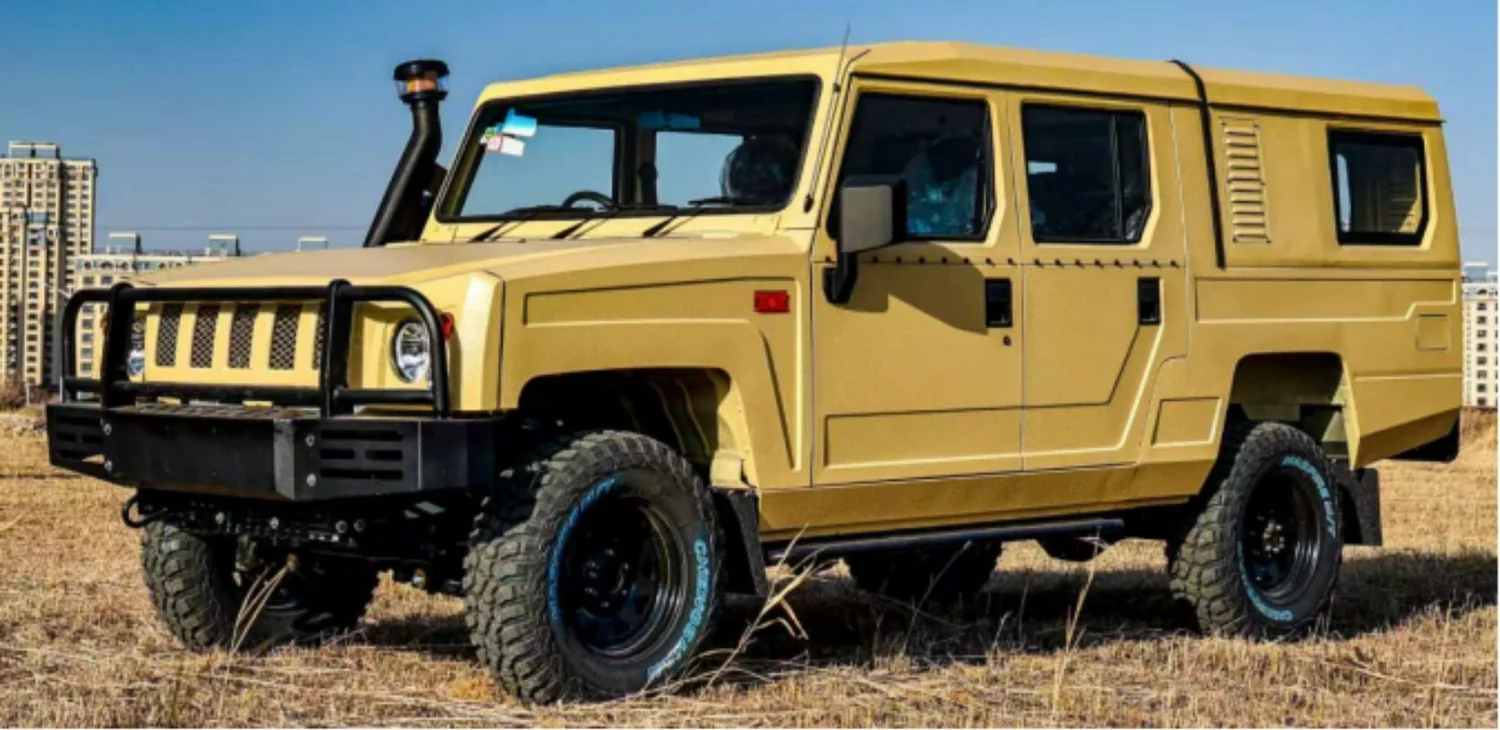
- 4x4 crew cab vehicles for high-altitude mining sites
Browse by segment: Passenger Vehicles, SUVs & Pickups, Commercial Trucks, Vans & MPVs, Buses & Coaches, Special Purpose Vehicles.
4. Compliance you must confirm before production
Vehicle technical regulation administered through the transport ministry, with homologation registered before commercialisation. Vehicles must be homologated and registered in the national vehicle registry before they can be sold and plated. Emission standard and technical documentation are checked at homologation, so the specification has to be frozen before production.
Drive side. Left-hand drive. Confirm this in writing in the specification annex, because it changes the production line the vehicle is built on and cannot be corrected after the fact.
The sequence that avoids trouble is always the same: freeze the specification, obtain the conformity documentation against that frozen specification, then book the production slot. Approvals issued against a specification that later changes are worthless, and the change is usually something small that nobody thought to report, such as a different tyre size or lighting unit.
5. The import process step by step
- Specification sheet. Drive side, powertrain, battery capacity for electric models, seating, colour, tyres, air conditioning and equipment level, written down and signed.
- Compliance check. Confirm the Vehicle technical regulation administered through the transport ministry, with homologation registered before commercialisation requirement and any import permit you must hold before the vessel sails.
- Contract. Quantity, unit price, Incoterm, payment terms and delivery window, with the specification sheet attached as an annex.
- Production and reporting. Chassis numbers and production photos, with a checkpoint before final assembly so configuration errors are caught while they are cheap to fix.
- Pre-delivery inspection. Every unit inspected and photographed. For electric models, battery state of charge recorded to the shipping line limit.
- Pre-shipment conformity inspection. Carried out in China under the Vehicle technical regulation administered through the transport ministry, with homologation registered before commercialisation programme. This cannot be done after arrival.
- Shipment. Loading and sailing to Callao (Lima), Paita in the north, Matarani in the south for mining traffic.
- Clearance and registration. Duty and taxes paid, inspection completed where required, plates issued.
6. Shipping route and transit time
Route. Callao (Lima), Paita in the north, Matarani in the south for mining traffic
Transit. Roughly 35-45 days from the main Chinese ports to Callao, one of the longer routes
Mode. Roll-on/roll-off is normally cheaper per unit at volume and is effectively the only option for buses and heavy commercial vehicles. Container shipping reaches more ports, protects the vehicle from weather and handling, and lets accessories and spare parts travel with the unit. We quote both where both are available on the route. Full comparison: RoRo or container shipping.
7. What makes up the landed cost
Comparing vehicle prices between exporters is the wrong comparison. What decides your margin is landed cost. In Peru that is built from:
- Customs duty on the CIF value
- Selective consumption tax where applicable to the vehicle category
- IGV (VAT) on the duty-inclusive value
- Port handling at Callao
- Inland transport to Lima, Arequipa or the mining regions
We deliberately do not publish duty percentages, because they change and a stale number on a website is worse than no number. Ask your customs broker for the current rates against the specific HS code and powertrain, and build the comparison on the total rather than the invoice value.
8. Electric vehicles in Peru
Electric adoption is concentrated in Lima. Altitude is the specification issue that gets overlooked: mining routes climb well above 4,000 metres, where combustion engines lose power and battery range drops. Confirm the operating altitude before choosing a powertrain.
The decision rule we use with buyers: match the powertrain to the duty cycle and the charging reality, not to the longest range figure on the brochure. More on this in battery electric or range extender.
9. Common mistakes Peruvian importers make
- Ignoring altitude when specifying vehicles for southern mining routes
- Underestimating the ocean transit time when planning showroom launch dates
- Completing homologation against one specification and then changing equipment during production
- Ordering without a parts package for a market that is a long way from any Chinese parts hub
10. How to check an exporter before you pay
- Ask for the export licence and the company registration, and check the name on them matches the bank account you are asked to pay.
- Ask which specification sheet the quotation is based on. An exporter who quotes before specification is quoting a vehicle that does not exist yet.
- Ask directly whether they have shipped to Peru before, and what the Vehicle technical regulation administered through the transport ministry, with homologation registered before commercialisation procedure involved. The answer tells you quickly whether they know the route.
- Ask what the pre-delivery inspection includes and whether you receive a photo report before loading.
- Ask what happens if a unit arrives damaged, and get the answer in writing before the deposit.
- Ask about parts. An exporter with no answer on spare parts is an exporter you will not hear from after delivery.
11. Frequently asked questions
How long does shipping to Callao take?
Roughly 35 to 45 days of ocean transit. It is one of the longer routes from China, so launch planning needs to account for it.
Do vehicles need homologation before sale in Peru?
Yes. Vehicles must be homologated and entered in the national registry before they can be sold and plated. The specification has to be frozen before production so the documentation matches the vehicles.
Are Chinese vehicles accepted in the Peruvian market?
Yes. Chinese brands have built significant share in Peru over recent years, so buyer acceptance is established rather than something you have to create.
Can you supply vehicles for high-altitude mining operations?
Yes. Tell us the operating altitude and duty cycle and we will advise on powertrain, cooling and tyre specification. Altitude affects both combustion power output and battery range.
12. Other markets we cover
- Import vehicles from China to Kazakhstan — Central Asia
- Import vehicles from China to Kenya — East Africa
- Import vehicles from China to Tanzania — East Africa
If you are importing into Peru, send us the segment you need, the quantity and your target arrival month. We will reply with a specification sheet, the Vehicle technical regulation administered through the transport ministry, with homologation registered before commercialisation document list for your consignment, and pricing on both shipping modes.