
A China-sourced electric vehicle kit may be considered for a Colombian assembly project, but a CKD or SKD listing does not establish IAMAS eligibility or any related benefit. Before requesting a committed T02 quotation or paying a deposit, align the assembler, importer and China supplier on their roles, the vehicle classification, the kit contents and the current approval path.
Define the project and T02 scope
Start with the actual project structure. Identify who will import the kits, who will assemble the vehicles, who owns or operates the facility, and who will sell or register the completed units. Record the proposed quantity, destination, intended use, target production or investment basis, steering position and planned customer group. These details allow the assembler and authorities to assess a defined project rather than a general model description.
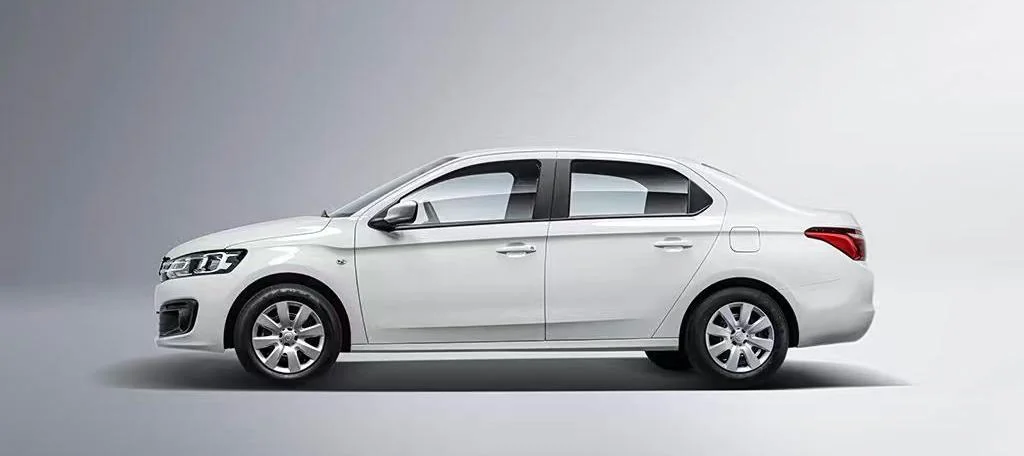
The T02 Compact Electric Sedan is listed for CKD and SKD supply. Its listed specifications include a 60 kW motor, 160 N m torque, dimensions of 4,427 x 1,748 x 1,493 mm and a 2,652 mm wheelbase. The listing states a 300 km CLTC range, a 30-80% fast-charge time of 0.5 hours and a slow-charge time of 10 hours. Confirm these specifications for the exact version and build. They do not prove Colombian classification, approval or IAMAS eligibility.
Ask the supplier to define CKD or SKD in component terms. Request a list showing which parts arrive assembled, which parts arrive separately, which items will be sourced in Colombia and which assembly operations the local plant must perform. Confirm whether the proposed scope includes the battery pack, motor, controller, body, wiring, interior, charging equipment, diagnostic tools, software access, training and replacement parts.
Separate IAMAS from import assumptions
Do not build the financial model around an assumed duty, tax treatment or quota. The available excerpt linked to Decree 1898 of 2023 describes conditions that include manufacturing or assembling specified M/N vehicles, holding assembly authorization, belonging to the Transformation and Assembly Regime or PROFIA, and meeting investment and/or production requirements. This is a screening point, not confirmation that the proposed assembler, vehicle or project qualifies today.
Ask the responsible Colombian authority to confirm the current eligibility route, relevant vehicle category, authorization status, investment or production basis and any quota or allocation. Request the applicable period and volume basis where a quota is involved. Have the importer or customs adviser separately confirm the classification and treatment of the exact imported kit configuration. Keep the baseline business case separate from any benefit until the competent authority confirms the project position.
Verify the assembler, authorization and quota
The assembler must be identified by its legal entity and facility, not only by a trading name or project presentation. Request copies or reference numbers for the assembly authorization, applicable regime membership and the investment or production evidence being used for the application. Confirm that the evidence covers the proposed electric sedan and the proposed plant, rather than another vehicle category or an unrelated facility.
If a strategic alliance, technology agreement or local manufacturing partner is part of the proposed structure, define its legal and operational role. Ask who is responsible for technical submissions, plant operations, quality release, warranty administration and contact with the authorities. Obtain written confirmation of any quota allocation from the authority. A supplier statement or an earlier approval for another project is not enough.
Request the model file and itemized quotation
Require model-specific documents and a quotation that can be reconciled to the proposed production work.
| Check | Request before commitment | Verification step |
|---|---|---|
| Vehicle identity | Exact model code, version, steering position, battery and motor configuration | Match the identifiers across the technical file, component list, quotation and shipping documents |
| Assembly scope | Complete CKD or SKD component list and local-work description | Confirm which operations, tools, training and inspections belong to the Colombian plant |
| Technical file | Battery, charging, electrical, safety, dimensions, manuals and diagnostic information | Ask the importer and relevant authorities which documents and tests apply to this configuration |
| Commercial terms | Itemized price, quantity basis, currency, Incoterm, exclusions, tooling, training and spare parts | Reconcile every line with the component list and assign responsibility for excluded items |
| Support obligations | Warranty process, software access, parts supply and technical escalation route | Obtain named responsibilities and acceptance criteria in the project agreement |
Ask the supplier to identify the battery chemistry and capacity, charging connector, operating voltage, software language, diagnostic access and available technical reports. Ask the Colombian importer to confirm which records must accompany the import and later registration or approval process. If a document is not yet available, record who must produce it and which project milestone depends on it.
For a fleet project, review the proposed duty cycle, charging plan, service network and parts requirements separately from IAMAS. The compact electric sedan taxi checklist can help structure that operational review. Use the fleet total-cost checklist to keep assembly, support and operating costs visible after the initial quotation.
Confirm procedures before commitment
Before signing or paying, create a responsibility matrix covering the assembler, importer, supplier and any strategic partner. Ask the responsible Colombian authorities and qualified local advisers to confirm the current procedures, approvals, documents, inspection or testing sequence and any deadlines. Do not treat a supplier's previous shipment to another country as proof that this Colombian project is approved.
Build two financial cases: a baseline using costs and import treatment confirmed for the project without an unconfirmed benefit, and a separate scenario used only after written confirmation of the applicable treatment. This prevents a proposed IAMAS route from being mistaken for an established project entitlement.
FAQ
Does a T02 CKD listing prove IAMAS eligibility?
No. It shows that CKD or SKD supply is listed for the T02. It does not establish Colombian vehicle classification, assembler authorization, regime membership, quota, investment compliance or approval. Each point must be confirmed for the exact project and configuration.
Should an IAMAS benefit be included in the first project quotation?
Keep any unconfirmed benefit outside the committed baseline. Request an itemized quotation using the import and assembly assumptions that can be documented, then model a separate benefit scenario only after the competent authority confirms the applicable treatment in writing.
What should a buyer send before requesting a committed quote?
Send the target quantity, Colombian destination, intended use, proposed assembler and importer, facility or investment status, preferred T02 version, steering position, required kit scope and delivery term. Include any authority correspondence and state which work the local plant expects the supplier to perform.
For a structured pre-quote review, share that project brief with CZJ Motors through discuss requirements. The brief should define the parties, vehicle and approval questions without presuming eligibility.