
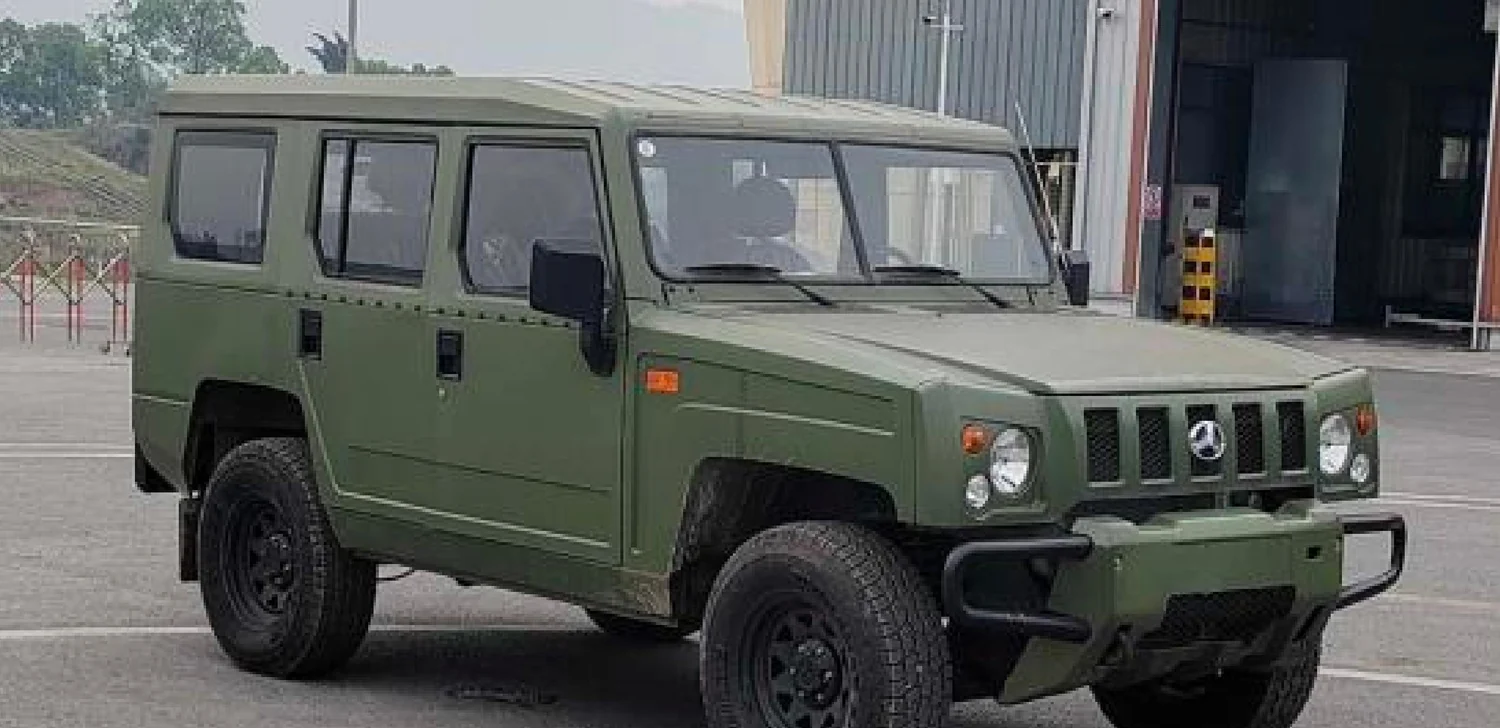
Three ways to bring vehicles into a market
The choice between complete built-up units, semi knocked down kits and completely knocked down kits is driven by your country's tariff structure and by what your facility can realistically do. It is a commercial and industrial decision before it is a technical one.
CBU: complete built-up
The vehicle arrives finished and registrable. This is the fastest route to market and requires no local facility, which makes it the right starting point for a new dealer or a small fleet order. The cost is duty: many countries apply their highest vehicle tariff to CBU imports specifically to encourage local assembly. CBU also carries the highest freight cost per unit because you are shipping air inside the body.
SKD: semi knocked down
The vehicle arrives largely assembled but with major sub-assemblies separated, typically body, powertrain, wheels, seats, bumpers and glass. Local work is bolting, filling fluids, wheel alignment and quality inspection. A competent workshop with a lift, hand tools and a small line can do SKD assembly, and the investment is measured in tens of thousands of dollars rather than millions. Many countries offer a meaningfully reduced duty rate for SKD, which is why it is the most common first step into local assembly.
CKD: completely knocked down
The vehicle arrives as parts: body panels or a bare body-in-white, powertrain components, wiring, trim and glass. Local operations may include welding, painting, trim and final assembly. This attracts the lowest duty rate and often qualifies for industrial incentives, but it requires a real plant: a paint shop alone is a serious capital item, and quality control becomes your responsibility rather than the exporter's.
Comparing the three
| Factor | CBU | SKD | CKD |
|---|---|---|---|
| Import duty | Highest | Reduced | Lowest |
| Local facility needed | None | Workshop with lift and line | Assembly plant, often with paint shop |
| Capital requirement | Working capital only | Low to moderate | High |
| Time to first delivery | Shortest | Moderate | Longest |
| Local content credit | None | Partial | Substantial |
| Quality responsibility | Exporter | Shared | Mostly local |
How to decide
Start with the tariff schedule. Get the actual duty rates for CBU, SKD and CKD under your country's customs code, and check the definition each rate depends on, because customs authorities apply specific tests for what counts as knocked down. A kit that fails the test is reclassified as CBU at the border and the duty saving disappears.
Then be honest about capability. An SKD line that produces poorly aligned panels and rattles will damage the brand faster than any duty saving can repay. Most successful programmes start with CBU to establish demand, move to SKD once monthly volume is stable, and only consider CKD when volume justifies a paint shop.
What we provide for kit programmes
- Kit definition matched to your customs authority's knocked-down test
- Numbered packing lists and crate manifests for line-side receipt
- Assembly documentation and torque specifications
- Technician training and commissioning support for the first batches
- Spare parts and consumables planning for the assembly line
Send us your destination country, target annual volume and a description of your facility, and we will advise which import model gives the best landed cost for your situation.