
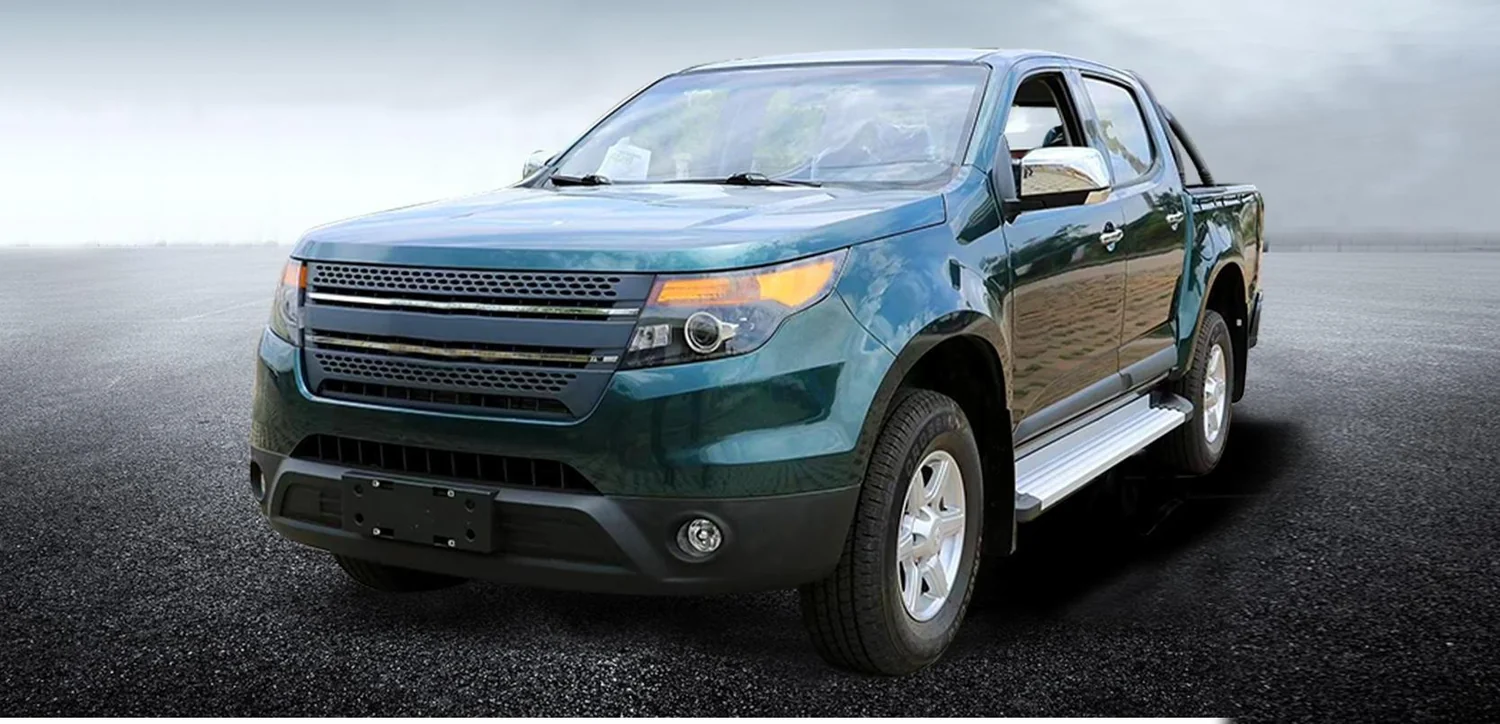
Esta guía está dirigida a concesionarios, distribuidores, operadores de flotas y equipos de compras que importan vehículos nuevos de China a Kenia. Abarca el régimen de cumplimiento, la ruta de envío, la estructura del coste puesto en destino y los segmentos que realmente se venden, en lugar de repetir consejos genéricos.
Nota sobre la exactitud: los aranceles, gravámenes y programas de conformidad cambian. Los datos estructurales que se indican a continuación son estables, pero confirme las tarifas y los procedimientos vigentes con su agente de aduanas antes de firmar un contrato.
1. Resumen de la importación: Kenia
| Lado de conducción | Solo conducción a la derecha. Los vehículos con volante a la izquierda no pueden matricularse para uso normal en carretera. |
|---|---|
| Puerto principal de entrada | Mombasa (el único puerto marítimo; también es la puerta de entrada para Uganda, Ruanda, Sudán del Sur y el este de la RDC) |
| Tránsito desde China | Aproximadamente 25-35 días desde Shanghái, Ningbo o Guangzhou hasta Mombasa, según el transbordo |
| Régimen de conformidad | PVoC (Verificación de Conformidad Previa a la Exportación) administrada por KEBS |
| Región | África Oriental |
2. Por qué importar vehículos de China a Kenia
- La oferta de vehículos con conducción a la derecha procedentes de China es ahora lo bastante amplia para cubrir la mayoría de los segmentos, algo que no ocurría hace unos años
- Mombasa abastece a un amplio interior sin litoral, por lo que los importadores pueden atender Uganda, Ruanda y Sudán del Sur con el mismo envío
- Fuerte demanda de una gran altura libre al suelo y suspensiones resistentes para las carreteras del interior
- Las unidades nuevas evitan las normas de límite de antigüedad que restringen el comercio de vehículos usados
3. Qué se vende en Kenia
La demanda en Kenia se concentra en los siguientes segmentos. Cada uno enlaza con la sección correspondiente de nuestro catálogo, donde cada modelo incluye una tabla de especificaciones real, no solo una fotografía y un número de teléfono.
- SUV compactos y medianos
- Pickups de doble cabina para agricultura, construcción y equipos de telecomunicaciones
- Furgonetas de pasajeros de 14 plazas y 9 plazas para matatu y transporte de personal
- Camiones ligeros para distribución y materiales de construcción
- Autobuses ligeros para colegios, hoteles y operadores turísticos
Explore por segmento: Vehículos de pasajeros, SUV y Pickups, Camiones comerciales, Furgonetas y MPV, Autobuses y autocares, Vehículos especiales.
4. Cumplimiento que debe confirmar antes de la producción
PVoC (Verificación de Conformidad Previa a la Exportación) administrada por KEBS. La inspección debe realizarse en China antes del envío por una agencia designada por KEBS, que emite un Certificado de Conformidad. Sin ese certificado, el envío no puede despacharse en Mombasa y la inspección no puede repetirse después de la llegada.
Lado de conducción. Solo conducción a la derecha. Los vehículos con volante a la izquierda no pueden matricularse para uso normal en carretera. Confirme este punto por escrito en el anexo de especificaciones, porque cambia la línea de producción en la que se fabrica el vehículo y no puede corregirse posteriormente.
La secuencia que evita problemas es siempre la misma: fijar las especificaciones, obtener la documentación de conformidad conforme a esas especificaciones fijadas y, después, reservar el turno de producción. Las aprobaciones emitidas para unas especificaciones que luego cambian no sirven, y el cambio suele ser algo pequeño que nadie pensó en comunicar, como un tamaño de neumático o una unidad de iluminación diferente.
5. El proceso de importación paso a paso
- Hoja de especificaciones. Lado de conducción, grupo motopropulsor, capacidad de la batería para modelos eléctricos, plazas, color, neumáticos, aire acondicionado y nivel de equipamiento, todo por escrito y firmado.
- Comprobación de cumplimiento. Confirme el requisito de PVoC (Verificación de Conformidad Previa a la Exportación) administrada por KEBS y cualquier permiso de importación que deba tener antes de que zarpe el buque.
- Contrato. Cantidad, precio unitario, Incoterm, condiciones de pago y plazo de entrega, con la hoja de especificaciones adjunta como anexo.
- Producción e informes. Números de chasis y fotografías de producción, con un punto de control antes del montaje final para detectar errores de configuración mientras su corrección aún sea económica.
- Inspección previa a la entrega. Cada unidad se inspecciona y fotografía. En los modelos eléctricos, se registra el estado de carga de la batería conforme al límite de la naviera.
- Inspección de conformidad previa al envío. Se realiza en China conforme al programa PVoC (Verificación de Conformidad Previa a la Exportación) administrado por KEBS. No puede realizarse después de la llegada.
- Envío. Carga y navegación hasta Mombasa (el único puerto marítimo; también es la puerta de entrada para Uganda, Ruanda, Sudán del Sur y el este de la RDC).
- Despacho y matriculación. Pago de aranceles e impuestos, inspección completada cuando sea necesaria y emisión de placas.
6. Ruta de envío y tiempo de tránsito
Ruta. Mombasa (el único puerto marítimo; también es la puerta de entrada para Uganda, Ruanda, Sudán del Sur y el este de la RDC)
Tránsito. Aproximadamente 25-35 días desde Shanghái, Ningbo o Guangzhou hasta Mombasa, según el transbordo
Modalidad. El transporte roll-on/roll-off normalmente es más barato por unidad en volúmenes grandes y, en la práctica, es la única opción para autobuses y vehículos comerciales pesados. El transporte en contenedor llega a más puertos, protege el vehículo de las condiciones meteorológicas y de la manipulación, y permite transportar accesorios y piezas de repuesto junto con la unidad. Cotizamos ambas opciones cuando las dos están disponibles en la ruta. Comparación completa: transporte de vehículos RoRo o en contenedor.
7. Qué compone el coste puesto en destino
Comparar los precios de los vehículos entre exportadores es una comparación equivocada. Lo que determina su margen es el coste puesto en destino. En Kenia, este se compone de:
- Arancel de importación sobre el valor en aduana
- Impuesto especial, que varía según la cilindrada y el grupo motopropulsor
- IVA calculado sobre el valor con arancel incluido
- Tasa de declaración de importación
- Gravamen para el desarrollo ferroviario
- Manipulación portuaria y transporte terrestre hasta Nairobi o más allá
Deliberadamente no publicamos porcentajes de aranceles, porque cambian y una cifra obsoleta en un sitio web es peor que no publicar ninguna. Solicite a su agente de aduanas las tarifas actuales para el código HS y el grupo motopropulsor específicos, y base la comparación en el total, no en el valor de la factura.
8. Vehículos eléctricos en Kenia
La adopción de vehículos eléctricos se concentra en Nairobi, donde hay infraestructura de carga y las tarifas eléctricas favorecen la carga en depósitos para flotas de taxis y reparto. Fuera de la capital, los vehículos con extensor de autonomía son la especificación más segura porque siguen funcionando donde no existe infraestructura de carga.
La regla de decisión que usamos con los compradores es la siguiente: adapte el grupo motopropulsor al ciclo de trabajo y a la realidad de la carga, no a la cifra de autonomía más larga del folleto. Encontrará más información en vehículos eléctricos de batería o con extensor de autonomía.
9. Errores comunes de los importadores kenianos
- Encargar vehículos con volante a la izquierda porque eran más baratos y descubrir después que no pueden matricularse
- Enviar los vehículos antes de realizar la inspección PVoC en China, algo que no puede corregirse en Mombasa
- Comparar precios FOB entre proveedores en lugar del coste total puesto en destino, incluidos el impuesto especial, los gravámenes y el transporte terrestre
- Comprar sin un paquete de piezas de repuesto y después esperar semanas por una sola pieza transportada por vía aérea
10. Cómo verificar a un exportador antes de pagar
- Solicite la licencia de exportación y el registro de la empresa, y compruebe que el nombre que aparece en ellos coincide con la cuenta bancaria a la que le piden realizar el pago.
- Pregunte en qué hoja de especificaciones se basa la cotización. Un exportador que cotiza antes de definir las especificaciones está cotizando un vehículo que todavía no existe.
- Pregunte directamente si ya ha enviado vehículos a Kenia y en qué consistió el procedimiento PVoC (Verificación de Conformidad Previa a la Exportación) administrado por KEBS. La respuesta le indicará rápidamente si conoce la ruta.
- Pregunte qué incluye la inspección previa a la entrega y si recibe un informe fotográfico antes de la carga.
- Pregunte qué ocurre si una unidad llega dañada y obtenga la respuesta por escrito antes de pagar el depósito.
- Pregunte por las piezas. Un exportador que no tiene respuesta sobre las piezas de repuesto es un exportador del que no volverá a saber nada después de la entrega.
11. Preguntas frecuentes
¿Puedo importar vehículos con volante a la izquierda a Kenia?
No. Kenia exige conducción a la derecha para la matriculación en carretera. Todos los vehículos que cotizamos para Kenia se fabrican con conducción a la derecha en la línea de producción, no se convierten después del montaje.
¿Los vehículos nuevos necesitan una inspección PVoC?
Sí. La inspección de Verificación de Conformidad Previa a la Exportación se aplica al envío y debe completarse en China por una agencia designada por KEBS antes de la carga. La gestionamos como parte del proceso de exportación.
¿Cuánto tarda el envío a Mombasa?
Aproximadamente de 25 a 35 días de tránsito marítimo desde los principales puertos chinos, más la manipulación portuaria en ambos extremos. Las salidas roll-on/roll-off hacia Mombasa son menos frecuentes que los servicios de contenedores, por lo que cotizamos ambas opciones.
¿Pueden entregar en Uganda o Ruanda a través de Mombasa?
Sí. Mombasa es la puerta de entrada habitual del corredor norte. Coordinamos el transporte terrestre con el agente de carga y preparamos la documentación de tránsito para el país de destino.
12. Otros mercados que cubrimos
- Importar vehículos de China a Tanzania — África Oriental
- Importar vehículos de China a Etiopía — África Oriental
- Importar vehículos de China a Nigeria — África Occidental
Si está importando a Kenia, envíenos el segmento que necesita, la cantidad y el mes de llegada previsto. Le responderemos con una hoja de especificaciones, la lista de documentos PVoC (Verificación de Conformidad Previa a la Exportación) administrada por KEBS para su envío y precios para ambas modalidades de transporte.