
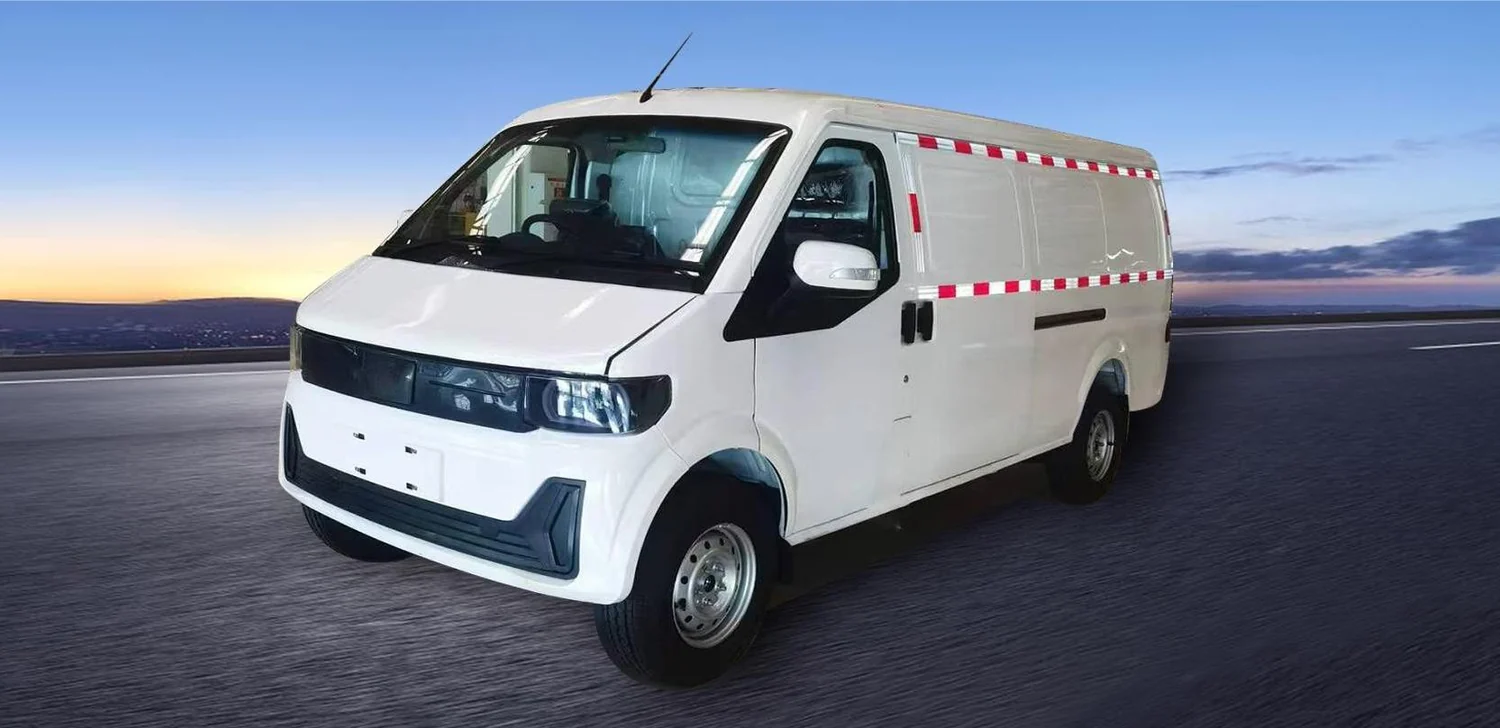
แบรนด์รถยนต์รายใหม่จะถูกตัดสินจากความรวดเร็วในการนำรถที่เสียกลับมาใช้งานบนถนน และการตัดสินนั้นจะเกิดขึ้นตั้งแต่ปีแรก — ก่อนที่จะมีประวัติการเสียใด ๆ ให้ใช้วางแผนสต็อก
ปัญหาของการสั่งอะไหล่ครั้งแรก
โดยปกติ การตัดสินใจจัดสต็อกจะอาศัยข้อมูลการเสีย แบรนด์ใหม่ในตลาดใหม่ไม่มีข้อมูลดังกล่าว และคำสั่งซื้อเพื่อเติมสต็อกครั้งแรกจะใช้เวลาหลายสัปดาห์หรือหลายเดือนกว่าจะมาถึง ดังนั้น ชุดอะไหล่เริ่มต้นจึงต้องจัดเตรียมจากการวิเคราะห์เหตุผลแทนที่จะอาศัยประวัติ
อะไหล่สองประเภทที่ต้องวางแผนแตกต่างกัน:
อะไหล่หมุนเร็ว — ถูกใช้อย่างคาดการณ์ได้โดยไม่ขึ้นกับการเสีย เช่น ไส้กรอง ผ้าเบรก ใบปัดน้ำฝน หลอดไฟ สายพาน ของเหลว ปริมาณสามารถคำนวณได้จาก: ขนาดกองรถ × จำนวนครั้งเข้ารับบริการที่คาดไว้ต่อปี × จำนวนอะไหล่ต่อการบริการหนึ่งครั้ง บวกด้วยสต็อกสำรองสำหรับระยะเวลารอการเติมสต็อก
อะไหล่สำคัญ — จำเป็นต้องใช้ไม่บ่อย แต่หากไม่มี รถจะไม่สามารถเคลื่อนที่ได้ เช่น เซ็นเซอร์ โมดูลควบคุม ปั๊มเชื้อเพลิง มอเตอร์สตาร์ต ไดชาร์จ หม้อน้ำ เพลาขับ อะไหล่เหล่านี้จัดเก็บในจำนวนไม่มาก เพราะการไม่มีอะไหล่เหล่านี้คือสาเหตุที่ทำให้รถต้องจอดนานหลายสัปดาห์
สัญชาตญาณมักทำให้จัดสต็อกอะไหล่หมุนเร็วไว้มาก และตัดอะไหล่สำคัญออกเพราะมีราคาแพงและอาจไม่ได้ใช้ แต่สำหรับชื่อเสียงแล้ว นั่นเป็นการคิดที่ตรงกันข้ามอย่างสิ้นเชิง: ไม่มีใครจำได้ว่าไส้กรองมีอยู่ในสต็อก และทุกคนจะจำได้ว่ารถคันหนึ่งต้องจอดใช้งานไม่ได้เป็นเวลาสองเดือนเพื่อรอเซ็นเซอร์
หมวดอะไหล่ที่สร้างความเสียหายมากที่สุด
ชิ้นส่วนตัวถังและกระจก ไม่ใช่เพราะชิ้นส่วนเหล่านี้เสีย แต่เพราะได้รับความเสียหายจากอุบัติเหตุ — ซึ่งเป็นสิ่งที่เกิดขึ้นแน่นอนกับกองรถทุกประเภท — อีกทั้งยังมีขนาดใหญ่ เป็นรุ่นเฉพาะ และจัดส่งล่าช้า
รถที่ต้องรอกระจกบังลมหรือแผ่นประตูเป็นเวลาสามเดือน คือโฆษณาที่มองเห็นได้ชัดเจนที่สุดในทางลบต่อแบรนด์ และเป็นสิ่งที่คาดการณ์ได้ทั้งหมด การมีสต็อกสินค้าที่มีโอกาสเสียหายสูงสุดในปริมาณพอประมาณ — กระจกบังลม โคมไฟหน้า กันชนหน้า และแผงตัวถังที่ใช้บ่อยหนึ่งหรือสองรายการ — สำหรับรถแต่ละรุ่นในกลุ่มผลิตภัณฑ์นั้น คุ้มค่ากับต้นทุนการถือครองสต็อก
การกำหนดขนาดชุดอะไหล่เริ่มต้น
แนวทางที่ใช้ได้สำหรับการนำเข้าครั้งแรก:
- อะไหล่หมุนเร็ว สำหรับการบำรุงรักษาที่คาดว่าจะเกิดขึ้นประมาณหนึ่งปีสำหรับรถที่นำเข้าทั้งหมด บวกด้วยระยะเวลารอการเติมสต็อก
- อะไหล่สำคัญ ในสัดส่วนประมาณหนึ่งชิ้นต่อรถยี่สิบคันสำหรับรายการที่มีแนวโน้มเสียมากที่สุด และอย่างน้อยหนึ่งชิ้นต่อรายการไม่ว่าขนาดกองรถจะเป็นเท่าใด
- อะไหล่จากอุบัติเหตุ — กระจกและชิ้นส่วนด้านหน้า — ในสัดส่วนประมาณหนึ่งชุดต่อรถยี่สิบห้าคัน
- ชุดอะไหล่สำหรับการบริการครบชุดสำหรับรถหนึ่งคัน เก็บไว้เป็นตัวอย่างอ้างอิง เพื่อให้ศูนย์ซ่อมสามารถระบุอะไหล่จากชิ้นส่วนจริงได้ แทนการค้นหาจากแคตตาล็อกในภาษาที่อาจอ่านไม่ออก
การสอบถามผู้ผลิตว่าอะไหล่รายการใดเสียบ่อยที่สุดในตลาดที่ใกล้เคียงกันเป็นสิ่งที่ควรทำ และมักได้รับคำตอบที่มีประโยชน์ เนื่องจากผู้ผลิตมีข้อมูลการรับประกันจากตลาดส่งออกอื่น แม้จะไม่มีข้อมูลจากตลาดของคุณก็ตาม
เศรษฐศาสตร์ที่ทำให้เรื่องนี้ง่ายขึ้น
อะไหล่ที่จัดส่งไปพร้อมกับรถแทบไม่มีต้นทุนด้านค่าขนส่ง — ในตู้คอนเทนเนอร์ยังมีพื้นที่ และต้นทุนส่วนเพิ่มถือว่าน้อยมากเมื่อเทียบกับการขนส่งอะไหล่ชิ้นเดียวกันทางอากาศในภายหลัง ค่าขนส่งทางอากาศสำหรับอะไหล่เร่งด่วนหนึ่งชิ้นมักสูงกว่ามูลค่าของอะไหล่ชิ้นนั้น
ความไม่สมดุลนี้คือเหตุผลที่ควรจัดสต็อกมากเกินเล็กน้อยในช่วงเริ่มต้น ต้นทุนการถือครองอะไหล่ที่วางอยู่บนชั้นเป็นเวลาสองปีนั้นต่ำ แต่ต้นทุนจากการไม่มีอะไหล่เมื่อจำเป็นเพียงครั้งเดียวนั้นสูง และจะตกอยู่กับความสัมพันธ์ทางธุรกิจ ไม่ใช่แค่งบดุลเท่านั้น
การระบุและจัดทำแคตตาล็อก
อะไหล่ที่มาถึงโดยไม่มีข้อมูลระบุชัดเจนจะกลายเป็นสต็อกที่ใช้งานไม่ได้ ก่อนการจัดส่งครั้งแรก:
- ยืนยันว่าอะไหล่ทุกชิ้นมีหมายเลขอะไหล่ที่ตรงกับแคตตาล็อก
- ขอแคตตาล็อกอะไหล่ในรูปแบบที่ศูนย์ซ่อมใช้งานได้ — หากเป็นไปได้ ควรค้นหาด้วย VIN ได้
- กำหนดว่าอะไหล่รายการใดใช้ร่วมกันได้ระหว่างรถรุ่นต่าง ๆ ในกลุ่มผลิตภัณฑ์ เพราะรายการเหล่านี้คืออะไหล่ที่ควรจัดสต็อกให้ลึกกว่า
- ระบุว่าอะไหล่รายการใดเป็นชิ้นส่วนมาตรฐานอุตสาหกรรมที่หาได้ในท้องถิ่น ตลับลูกปืน สายพาน ไส้กรอง และแบตเตอรี่มักมีสินค้าทดแทนในท้องถิ่น และการทราบว่ารายการใดมีสินค้าทดแทนจะช่วยลดจำนวนอะไหล่ที่ต้องนำเข้า
ประเด็นสุดท้ายนี้คุ้มค่ากับการทุ่มเทความพยายามอย่างจริงจัง อะไหล่ที่มีสินค้าทดแทนในท้องถิ่นสามารถจัดหาได้ภายในไม่กี่วันแทนที่จะใช้เวลาหลายเดือน และการระบุรายการเหล่านี้ตั้งแต่เปิดตัวจะเปลี่ยนแผนการจัดสต็อกได้อย่างมาก
การเติมสต็อก
กำหนดจุดสั่งซื้อใหม่จากระยะเวลารอ ไม่ใช่จากการคาดเดาจากระดับสต็อก หากการเติมสต็อกทางทะเลใช้เวลาสิบสัปดาห์ จุดสั่งซื้อใหม่สำหรับอะไหล่แต่ละรายการคือปริมาณที่ใช้ไปในสิบสัปดาห์ บวกด้วยสต็อกความปลอดภัย — และสำหรับแบรนด์ใหม่ที่ไม่มีข้อมูลการใช้สต็อก ควรกำหนดส่วนสำรองดังกล่าวให้มากในปีแรก
การทบทวนปริมาณการใช้จริงหลังจากหกเดือนและปรับแผน คือจุดที่การคาดเดาสิ้นสุดลงและการวางแผนจากข้อมูลจริงเริ่มต้นขึ้น